



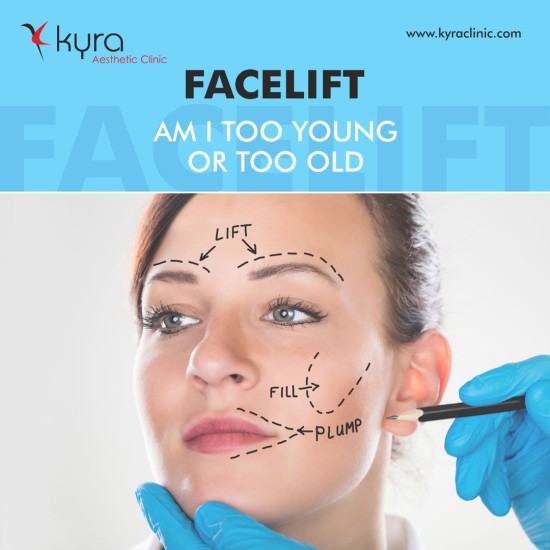
7 Best Facelift Surgery Options: Techniques & Costs
Summary
Facelift Surgery is a cosmetic procedure designed to reduce visible signs of aging in the face and neck. This page explains facelift techniques, benefits, recovery, side effects, and costs, helping patients understand which facelift option best suits their age, skin condition, and goals.
Introduction
As we age, gravity, sun exposure, and daily stress take a toll on our faces, leading to sagging skin, deep creases, and a loss of jawline definition. While creams and serums have their place, nothing rivals the transformative power of Facelift Surgery (Rhytidectomy) for turning back the clock.
At Kyra Aesthetic Clinic, we believe in "Instilling Confidence Through Beauty". Led by Dr. Vikas Gawri, the Best Plastic & Cosmetic Surgeon In Ludhiana & Chandigarh, we specialize in advanced facial rejuvenation techniques that deliver natural, long-lasting results. If you are considering a "lift," understanding your options is the first step. This guide breaks down the top 7 techniques, costs, and benefits to help you make an informed choice.
What is a Facelift?
A facelift is a cosmetic surgical procedure designed to create a younger appearance in the face. It involves the removal of excess facial skin, and in many cases, the tightening of underlying tissues (SMAS). The result is a smoother, firmer profile that eliminates the "tired" look associated with aging.
7 Best Facelift Surgery Options
There is no "one-size-fits-all" approach. Dr. Vikas Gawri assesses your facial anatomy to recommend the best technique. Here are the 7 most effective options available today.
1. Traditional facelift
This is the "gold standard" for comprehensive rejuvenation. It addresses the face and neck together. Incisions typically begin in the hairline at the temples, continue around the ear, and end in the lower scalp. It is ideal for patients with significant sagging in the mid-face, jowls, and neck.
2. SMAS facelift
The SMAS facelift (Superficial Musculoaponeurotic System) goes deeper than just skin. It tightens the underlying muscle structure of the face. By securing these muscles, the results are longer-lasting and look more natural than older techniques that only pulled the skin tight.
3. Deep plane facelift
Considered the most advanced technique, the Deep plane facelift releases and repositions the muscle and skin layers as a single unit. This is particularly effective for heavy jowls and drooping cheeks, offering dramatic Facelift surgery before and after results without the "windblown" look.
4. Mid-facelift
Also known as a cheek lift, the Mid-facelift targets the area from the cheekbones to the jaw. It lifts the fat pads in the cheeks to restore fullness and youthful contours, making it perfect for those who don't yet need a full neck correction.
5. Mini-facelift
A Mini-facelift is a less invasive version of the traditional lift, using shorter incisions along the hairline. It is often called the "weekend facelift" due to its quicker recovery. It is best suited for younger patients with mild jowling or sagging.
6. Cutaneous (skin) facelift
One of the oldest techniques, the Cutaneous (skin) facelift, focuses solely on trimming excess skin without altering the underlying muscle. While less common today due to shorter-lasting results, it is a lower-risk option for patients who only need minor skin tightening.
7. Liquid Facelift (Non-Surgical)
For those not ready for surgery, a "Liquid Facelift" uses a combination of dermal fillers and Botox to volumize and smooth the face. While temporary, it offers immediate gratification with zero downtime.
Benefits of Facelift Surgery & Risks
The primary benefits of facelift surgery include:
Restoration of a defined jawline.
Elimination of deep creases around the mouth and nose.
Removal of loose skin and fat in the neck (turkey neck).
A boost in self-confidence and a refreshed, rested appearance.
However, it is essential to be aware of potential side effects of facelift surgery, such as:
Temporary bruising and swelling.
Numbness or tightness in the treated area.
Scarring (though incisions are hidden in the hairline).
Rare risks like infection or nerve injury.
Procedure, Preparation & Recovery
How do I prepare for facelift (rhytidectomy) surgery?
Preparation involves stopping smoking at least 2–4 weeks prior, avoiding blood-thinning medications (like aspirin), and arranging for post-op care. Dr. Gawri will provide a detailed checklist.
What happens during facelift (rhytidectomy) surgery?
The procedure is performed under general anesthesia or sedation. Dr. Gawri makes discreet incisions, lifts the underlying tissues, redistributes fat, and trims excess skin. The incisions are then closed with sutures.
What happens after facelift (rhytidectomy) surgery?
You will wake up with bandages around your face to minimize swelling. Drainage tubes may be used to prevent fluid buildup.
What is the recovery time for a facelift?
Most patients return to social activities within 2 weeks. While initial swelling subsides in 10–14 days, the final contour may take a few months to settle fully.
Conclusion
Facelift Surgery remains one of the most effective procedures for long-term facial rejuvenation. With multiple techniques available, choosing the right approach depends on age, skin condition, and aesthetic goals.
At Kyra Clinic, facelift procedures are planned with precision, safety, and natural results in mind, ensuring outcomes that enhance facial harmony rather than alter identity.
FAQs
What is the best age for a facelift?
There is no specific "best" age. Most patients are between 40 and 70. The right time is when you are bothered by sagging skin and still have some skin elasticity.
Who gets facelifts?
Healthy individuals who do not smoke and have realistic expectations are ideal candidates. It is popular among both men and women seeking to reverse visible signs of aging.
Does insurance cover facelift surgery?
No, a facelift is a cosmetic procedure and is generally not covered by insurance.
Can a facelift be combined with other procedures?
Yes. It is frequently combined with a neck lift, blepharoplasty (eyelid surgery), or fat transfer for enhanced results.
How long do facelift results last?
While a facelift sets back the clock, it doesn't stop it. Results typically last 10–15 years, depending on your skin quality and lifestyle.
#facelift #beautifulface #lookyoung #facialcontouring #plasticsurgeon #facecosmeticsurgery